

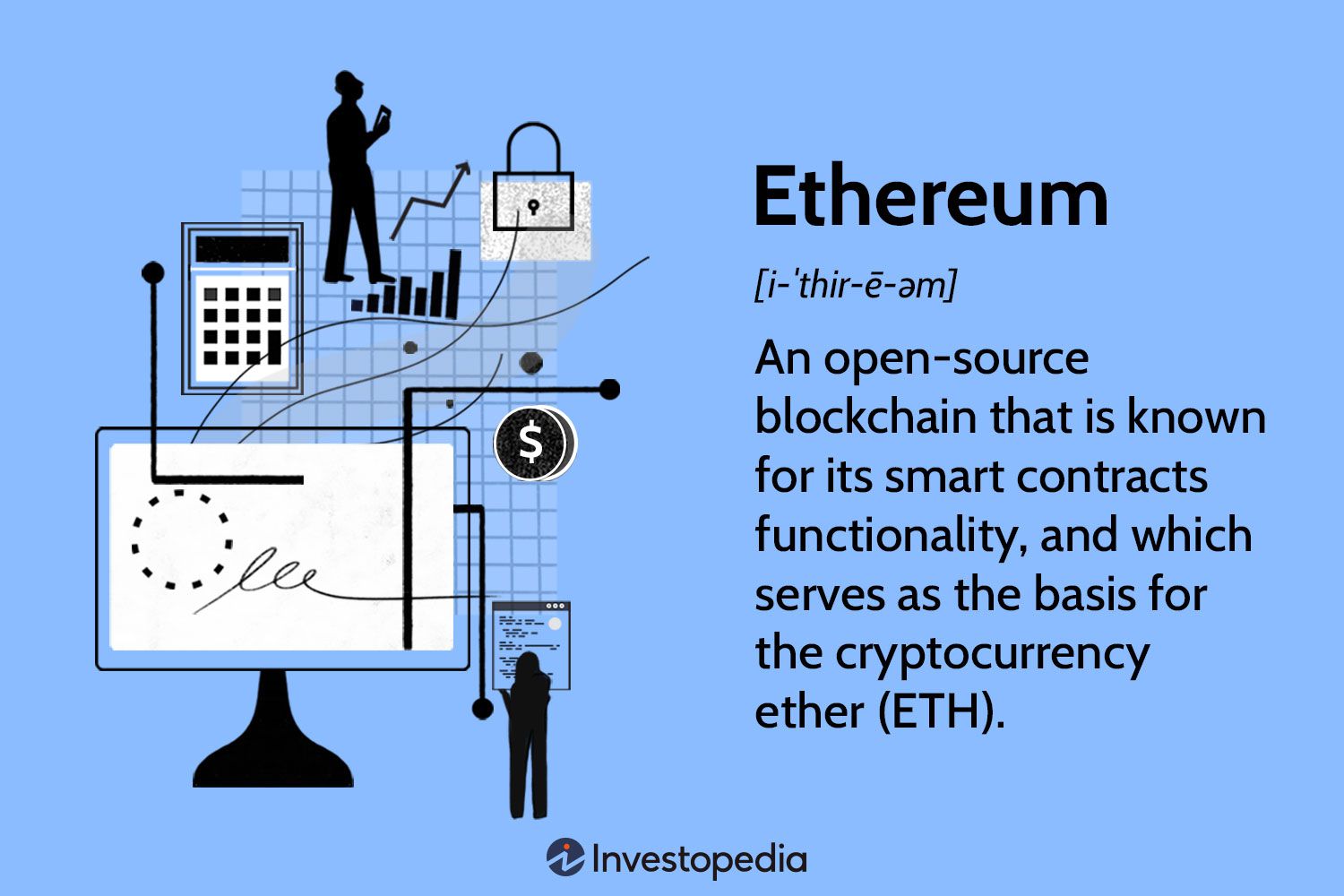
Ethereum has quietly become one of the most consequential technological platforms in modern finance — and yet millions of everyday investors still aren’t entirely sure what it does or whether it belongs in their portfolio. With the crypto market entering a new cycle in 2025, Ethereum sits at a fascinating crossroads: it’s no longer the scrappy upstart challenging Bitcoin, but it’s also not a finished product. It’s a living, evolving financial infrastructure that processed over $1 trillion in transaction volume in a single year and underpins the vast majority of decentralized finance, NFT markets, and blockchain-based applications worldwide. Whether you’re crypto-curious or already holding a position, understanding what Ethereum actually is — and what drives its price — is essential before committing a single dollar.
What Is Ethereum, Really?
Most people hear “Ethereum” and think of it as simply another cryptocurrency, a digital coin you buy and hope goes up. That framing misses the bigger picture. Ethereum is best understood as a programmable blockchain — a decentralized global computer that allows developers to build and deploy applications without relying on a central authority like a bank, government, or tech company.
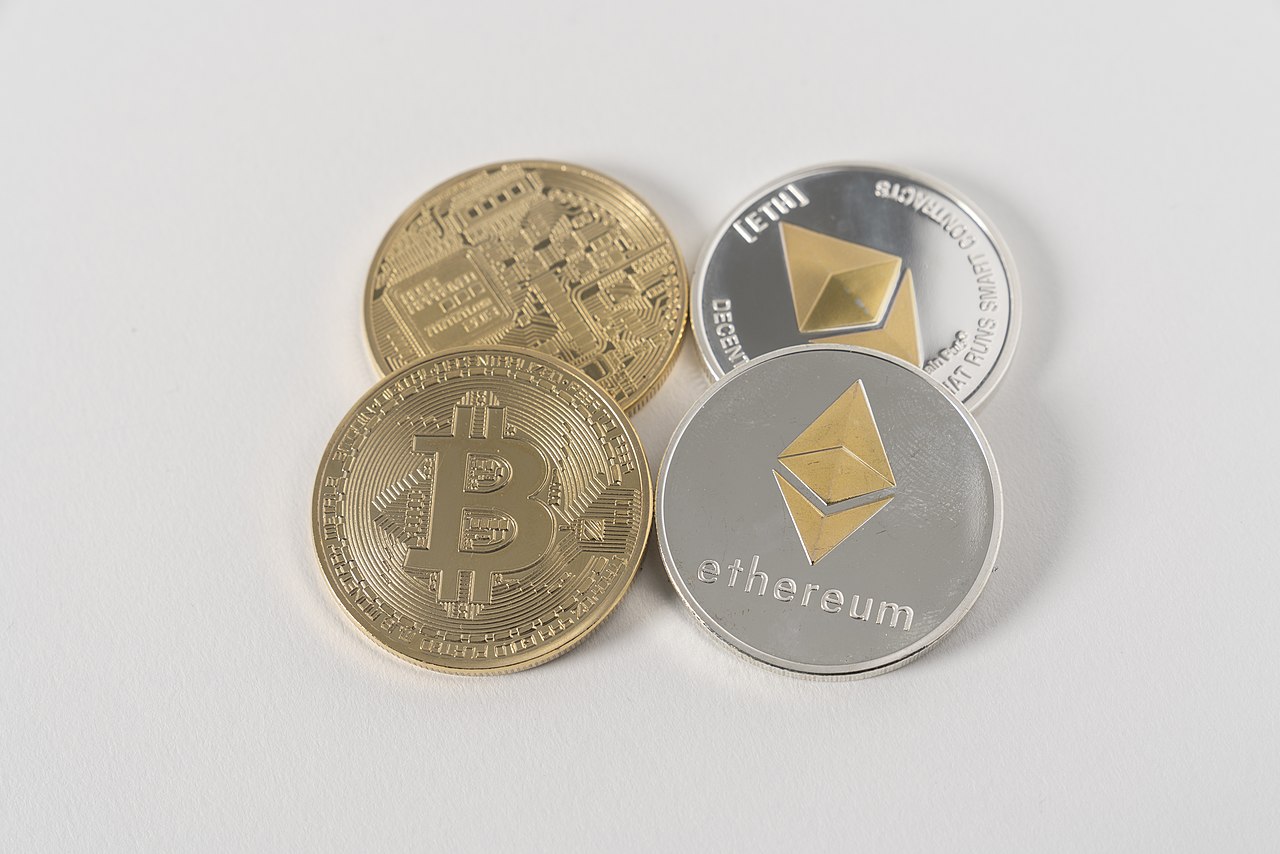
The native currency of the Ethereum network is called Ether (ETH). When you “buy Ethereum” on an exchange, you’re technically buying Ether — the token used to pay for computation on the network, reward validators, and store value. The distinction matters because ETH’s value is tied directly to demand for the Ethereum network itself.
Here’s a simple analogy: if Ethereum is the internet, ETH is the electricity that powers it. Every transaction, every smart contract execution, every decentralized app interaction requires ETH to function. As network usage grows, demand for ETH tends to rise with it.
Smart Contracts: The Core Innovation
The breakthrough that separates Ethereum from Bitcoin is the smart contract — a self-executing piece of code that automatically enforces the terms of an agreement when predetermined conditions are met. No lawyers, no intermediaries, no trust required between parties.
Think of a smart contract like a vending machine: you put in the right amount of money, press the button, and the machine automatically delivers your item. No cashier needed. Smart contracts work the same way but for financial agreements, voting systems, supply chains, insurance claims, and much more.
This capability spawned entire industries: decentralized finance (DeFi), non-fungible tokens (NFTs), decentralized autonomous organizations (DAOs), and tokenized real-world assets — all built primarily on Ethereum.
Ethereum’s Technical Evolution: The Merge and Beyond
One of the most significant events in crypto history happened in September 2022 when Ethereum completed “The Merge” — transitioning from a Proof of Work (PoW) consensus mechanism to Proof of Stake (PoS). This wasn’t just a technical upgrade; it was a fundamental restructuring of how the network operates and how ETH is issued.
Under Proof of Work, miners competed to solve complex puzzles using enormous amounts of energy. Under Proof of Stake, validators lock up (“stake”) ETH as collateral to earn the right to validate transactions. The result:
- Ethereum’s energy consumption dropped by approximately 99.95% overnight
- ETH issuance was dramatically reduced, making it closer to a deflationary asset
- The network became more accessible to validators without specialized hardware
- Institutional ESG concerns about crypto energy use were largely addressed
Since The Merge, additional upgrades have focused on scalability. The introduction of EIP-1559 created a fee-burning mechanism — a portion of every transaction fee is permanently destroyed, reducing ETH supply over time. When network activity is high enough, Ethereum becomes net deflationary, meaning fewer ETH exist each day.
Layer 2 Solutions: Solving the Scalability Problem
Ethereum’s main limitation has historically been speed and cost. During peak demand, transaction fees (called “gas fees”) could spike to $50 or more for a simple transfer — a serious barrier for everyday users. Layer 2 networks like Arbitrum, Optimism, and Base have largely solved this problem by processing transactions off the main chain and settling them in batches on Ethereum.
The result is transactions that cost fractions of a cent and settle in seconds, while still inheriting Ethereum’s security. This development has dramatically expanded Ethereum’s practical utility and brought millions of new users into the ecosystem.
ETH as an Investment: The Bull Case
For investors evaluating ETH as an asset, there are several compelling arguments worth understanding.
The “Ultrasound Money” Thesis
Bitcoin’s investment thesis centers on scarcity — there will only ever be 21 million BTC. Ethereum’s post-Merge thesis is similar but dynamic. Because ETH is burned with every transaction and issuance has been slashed, ETH supply can actually shrink over time during periods of high network activity. Some analysts call this the “ultrasound money” thesis — ETH as a harder, more deflationary asset than even Bitcoin under the right conditions.
Staking Yield
Unlike Bitcoin, ETH holders can earn a yield by staking their tokens to help secure the network. Current staking yields have ranged between 3% and 5% annually, paid in ETH. This transforms ETH from a purely speculative asset into one that generates income — a meaningful distinction for investors accustomed to dividend stocks or bonds. Liquid staking protocols like Lido make staking accessible without locking up funds for extended periods.
Institutional Adoption and ETF Access
The approval of spot Bitcoin ETFs in early 2024 opened the door for institutional capital to flow into crypto through regulated vehicles. Spot Ethereum ETFs followed later in 2024, giving retail and institutional investors the ability to gain ETH exposure through traditional brokerage accounts without managing wallets or private keys. This development significantly lowered the barrier to entry and brought new pools of capital into the asset class.
Real-World Asset Tokenization
One of the most significant emerging use cases for Ethereum is the tokenization of real-world assets (RWAs) — putting traditional financial instruments like Treasury bills, real estate, private credit, and equities on the blockchain. Major financial institutions have begun experimenting with Ethereum-based tokenization, and some analysts project the RWA market could reach trillions of dollars in value over the coming decade. If Ethereum becomes the settlement layer for tokenized assets, demand for ETH could grow substantially.
The Bear Case and Risks You Should Know
Honest investing requires acknowledging the risks alongside the opportunities. Ethereum faces several genuine challenges.
Competition from Other Blockchains
Ethereum is no longer the only smart contract platform. Solana, Avalanche, BNB Chain, and others compete aggressively for developers and users, often offering faster speeds and lower costs. While Ethereum maintains a significant lead in total value locked (TVL) and developer activity, the competitive landscape is real and evolving. A scenario where activity migrates to rival chains would reduce demand for ETH.
Regulatory Uncertainty
The regulatory environment for crypto in the United States remains in flux. While the tone from regulators has shifted in a more favorable direction heading into 2025, the classification of ETH — as a commodity, security, or something else — has implications for how it can be traded, staked, and offered to investors. Regulatory surprises remain a meaningful risk.
Volatility
ETH has historically experienced drawdowns of 70-90% from peak to trough during bear markets. Even in bull markets, 30-40% corrections are common. Investors with low risk tolerance or short time horizons should weigh this carefully. Ethereum is not a substitute for stable savings — it’s a high-risk, high-potential-reward asset.
Execution Risk
Ethereum’s roadmap is ambitious. Future upgrades aimed at further improving scalability and efficiency depend on coordinated developer effort and community consensus. Delays, bugs, or contentious governance decisions could slow adoption or damage confidence in the platform.
How to Buy Ethereum in 2025
If you’ve decided ETH deserves a place in your portfolio, here are the main avenues available to US investors:
- Centralized exchanges: Platforms like Coinbase, Kraken, and Gemini allow you to buy ETH directly with dollars. You can hold it on the exchange or transfer it to a personal wallet.
- Spot ETH ETFs: Available through traditional brokerages, these funds track the price of ETH without requiring you to manage crypto wallets. Ideal for investors who want exposure without the technical complexity.
- Self-custody wallets: Hardware wallets (like Ledger or Trezor) or software wallets (like MetaMask) give you direct control of your ETH. This is the most secure option but requires responsibility for your own private keys.
- Staking: If you hold ETH directly, consider staking through a reputable liquid staking protocol to earn yield while maintaining liquidity.
A common approach among retail investors is to use a dollar-cost averaging (DCA) strategy — buying a fixed dollar amount of ETH at regular intervals regardless of price. This reduces the impact of volatility and removes the pressure of trying to time the market perfectly.
How Much of Your Portfolio Should Be ETH?
Portfolio allocation to crypto is deeply personal and depends on your risk tolerance, time horizon, and overall financial situation. A few general frameworks worth considering:
- Conservative investors: 1-3% of total portfolio in crypto (split between BTC and ETH)
- Moderate investors: 5-10% in crypto, with ETH as a core holding
- Aggressive/younger investors: Some allocate 15-20% or more, though this carries substantial risk
Most financial professionals who are open to crypto suggest treating it as a satellite position — meaningful enough to matter if it performs well, but not so large that a severe drawdown derails your broader financial plan.
Key Catalysts and What to Watch in 2025
Several developments could meaningfully impact ETH’s price and adoption trajectory in 2025:
- Ethereum upgrade roadmap: Continued improvements to scalability and data availability (“The Surge” phase) could dramatically increase network capacity and reduce costs further
- ETF inflows: Sustained institutional buying through spot ETH ETFs would provide consistent demand pressure
- DeFi and RWA growth: Expansion of on-chain financial activity directly increases ETH utility and fee burning
- Macro environment: Interest rate cuts and risk-on sentiment historically benefit crypto assets
- Regulatory clarity: Clear, favorable rules from US regulators could unlock significant institutional participation
The Bottom Line
Ethereum is more than a cryptocurrency — it’s a programmable financial infrastructure that has already demonstrated real-world utility at scale. The combination of a deflationary supply mechanism, staking yield, institutional ETF access, and a massive developer ecosystem gives ETH a compelling investment case that goes beyond simple speculation.
That said, it remains a volatile, high-risk asset in a still-maturing industry. The right approach for most retail investors is a modest, well-considered allocation — sized to survive a worst-case scenario — combined with a long enough time horizon to ride out the inevitable turbulence.
If you believe decentralized finance, tokenized assets, and programmable money represent the future of the global financial system, Ethereum is arguably the most direct way to invest in that thesis.
What do you think? Share your take in the comments below.
This article is for informational purposes only and does not constitute financial advice. Always conduct your own research before making any investment decisions.